

Tax Season Survival Guide for Owner-Operators: What You Need to Know
Tax season is the part of running a trucking business that most owner-operators either dread or underestimate. When you operate as an
Secrest Direct Inc. is an independent Landstar agent (DUV/RKY).
| Questions? 877-441-9128 | Contact | Application Login |
Home » Home > Flatbed Owner-Operator Information Hub » careers
Evaluate flatbed freight, equipment paths, securement responsibilities and the application process before deciding whether this business model fits your operation.
Owner-operator business opportunity · Not a company-driver position · Questions? 877-441-9128
Understand the hands-on work, planning and equipment responsibilities that come with flatbed freight.
Review factors such as trailer type, load dimensions, securement, deadhead, destination and the next available load.
Discuss your tractor, trailer status, flatbed experience and securement equipment before beginning an application.
Get answers from Secrest Direct so you can decide whether it makes sense to continue.
Owner-operator opportunity: This path is for people who own or lease qualifying tractors and operate, or plan to operate, an independent trucking business. It is not a company-driver position.
This short form is an information request, not the full application and not a Landstar corporate form. Do not submit sensitive documents through this form. Review the Privacy Policy.
Jump directly to the information that matters most to your operation.
Flatbed can be a strong operating path for owner-operators who like hands-on work, detailed planning and greater involvement with the freight they haul. It also carries responsibilities that are different from enclosed-trailer freight.
Before applying, consider whether you are comfortable inspecting equipment, securing freight, working with tarps and securement devices, checking load dimensions and planning around changing freight requirements.
Check the tractor, trailer, securement equipment and load area before accepting and moving freight.
Use the appropriate straps, chains, binders, edge protection, tarps and other equipment required for the load.
Confirm dimensions, weight, pickup instructions, delivery requirements and any special handling considerations..
Consider mileage, deadhead, weather, parking, fuel, delivery windows and route restrictions. Oversized or specialized freight may require additional planning.
Track revenue, expenses, maintenance, compliance, records and the operating decisions that affect profitability.

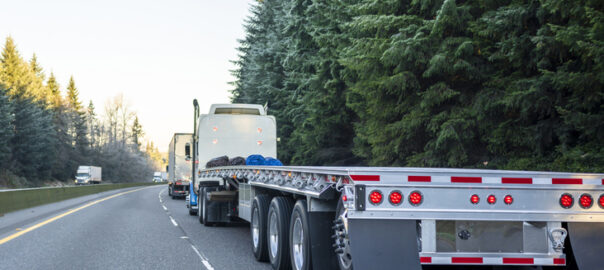
Review available freight and decide what and when to haul based on your business plan.
The operator is responsible for understanding and following the securement, inspection and freight-protection requirements that apply to each load.
Consider loaded miles, deadhead, fuel, maintenance, equipment costs, time, tarping and the likelihood of finding suitable freight near the destination.
Available freight, rates, destinations and equipment needs change. Evaluate current information rather than assuming that prior conditions will continue.
Available freight, rates, destinations and equipment needs change. Evaluate current information rather than assuming that prior conditions will continue.
Tractor, driver, safety, experience, insurance and other requirements must be reviewed using current approved information.
A posted rate is only one part of a flatbed load. The stronger business decision comes from comparing the full trip, the work involved and what may be available after delivery.
When reviewing a load, consider the total loaded miles, deadhead, trailer type, load dimensions, securement requirements, tarping, pickup and delivery windows, destination and the likelihood of suitable follow-up freight.
Strong route planning means evaluating how multiple loads, locations and operating costs work together—not only one listed number.
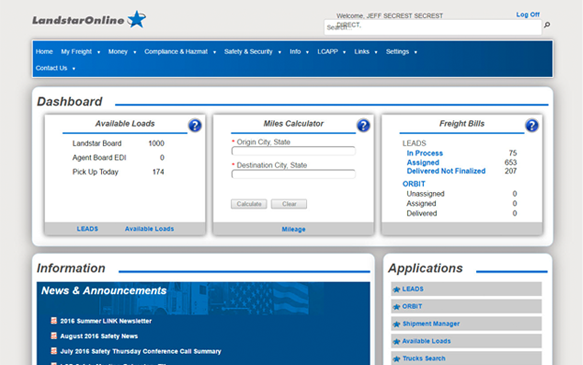
Example LandstarOnline dashboard shown for general context. Current tools, available freight data and account access may vary.
Confirm tractor, trailer, technology and documentation requirements before proceeding.
Flatbed opportunities depend on more than having a tractor. Your trailer status, securement equipment, experience and preferred freight all affect the path that needs to be reviewed.
Secrest Direct can help identify the questions that should be answered before you begin an application. Final tractor, trailer and operating requirements must be confirmed through the current qualification process.
Independent Landstar Agent ·
DUV/RKY
10922 State Route 212 NE
Bolivar, Ohio 44612
Secrest Direct Inc. is an independent Landstar agent, not Landstar corporate. The agency can help you organize your questions, review your current operation and understand which details need to be confirmed before you apply.
That may include your tractor, trailer status, experience, securement readiness, operating goals and questions about the qualification process.
Start with the information you need. Move into the formal application only when you are ready.
Use these pages to answer the practical questions that matter before you begin the full application.
Review how owner-operator compensation is structured and which operating costs should be considered before estimating net income.
Learn how trailer type, securement, destinations, deadhead and changing freight availability affect load decisions.
Review the current driver, tractor, safety, experience and insurance information before applying.
See the general steps involved in moving from an initial question to application and qualification.
Requirements, availability, compensation, and program information can change. Confirm current flatbed details during qualification.
Flatbed owner-operator jobs are business opportunities for independent truck owners who haul open-deck freight using their own or leased qualifying equipment. Flatbed freight can include machinery, steel, construction materials, vehicles, and other loads that may not fit efficiently inside an enclosed trailer.
Unlike a company driver, an owner-operator runs their own trucking business and is responsible for decisions involving equipment, operating expenses, scheduling, and freight. Owner-operators who lease their equipment to Landstar operate as independent contractors.
Qualified owner-operators can review available freight and decide which loads fit their operation under the non-forced dispatch model. Explore Flatbed Available Loads or review the Owner-Operator Requirements to see what may be required.
Flatbed owner-operator earnings vary based on the freight hauled, rates, loaded miles, deadhead, equipment, operating costs, and how the owner-operator runs the business. There is no single income figure that applies to every flatbed owner-operator.
Gross revenue is only part of the picture. Fuel, maintenance, tires, insurance, trailer costs, securement equipment, tarps, tolls, permits, taxes, and other expenses affect what remains as business income.
Review the Owner-Operator Pay and Earnings guide for compensation and settlement information. You can also see how freight details are evaluated on the Flatbed Available Loads page.
Becoming a flatbed owner-operator starts with having the required commercial driving qualifications, appropriate experience, and qualifying tractor and equipment for the type of flatbed freight you plan to haul. You also need to understand load securement, equipment requirements, operating costs, and the business responsibilities that come with being an independent owner-operator.
Qualification may include review of your CDL, driving and safety history, experience, tractor specifications, insurance, and other current requirements. Flatbed experience and equipment requirements can vary, so do not assume one path applies to every applicant.
Start by reviewing the Owner-Operator Requirements and Flatbed Lease Options. When you’re ready to continue, see the Owner-Operator Application Process.
A flatbed owner-operator transports open-deck freight while also managing the responsibilities of an independent trucking business. The driving work can include inspecting freight, securing loads with the appropriate chains, straps, binders, edge protection or other equipment, tarping when required, monitoring the load during transit, and safely delivering it to the customer.
The business side matters too. Owner-operators evaluate freight, routes, rates, deadhead, fuel, maintenance, equipment costs, and scheduling when deciding which loads make sense for their operation.
See examples of freight and load information on the Flatbed Available Loads page, or learn how freight can be searched using the Owner-Operator Load Board.
Flatbed trucking pay varies by the load, lane, mileage, freight, equipment requirements, market conditions, and any additional work needed to transport the shipment. Loads involving tarping, specialized securement, multiple stops, oversized freight, or specialized equipment can have different compensation than more straightforward flatbed freight.
For an owner-operator, it is important to separate load revenue from take-home business income. A higher-paying load may also involve additional miles, deadhead, fuel, equipment, time, or operating expenses.
Qualified owner-operators can review available freight information before deciding whether a load fits their business. Learn more on the Flatbed Available Loads page and review the broader Owner-Operator Pay and Earnings guide for compensation and settlement information.
Flatbed experience requirements depend on the current qualification standards and the type of freight or equipment involved. Flatbed work can require skills that aren’t typically part of dry van operations, including load securement, tarping, weight distribution, and working with open-deck freight.
Do not assume that a training option automatically replaces an experience requirement. Review the current Owner-Operator Requirements and contact Secrest Direct if you need help determining what experience must be confirmed before applying.
Explore the next flatbed resource based on the decision you are trying to make.
Review the work, responsibilities and operating model.
Compare your experience, safety history and equipment with current requirements.
See how equipment, securement and destinations affect freight decisions.
Review compensation together with the costs of running your business.
Consider your tractor, trailer status and securement equipment.
Begin only after reviewing the requirements and available information.
Tax season is the part of running a trucking business that most owner-operators either dread or underestimate. When you operate as an

There’s no shortage of advice on increasing rate per mile or negotiating better freight. But long-term success as an owner-operator isn’t just
One of the biggest advantages of running under a non-forced dispatch company is simple: you choose your loads. But freedom without strategy
You do not need to start the full application just to ask a question.
Review the formal application process and begin when you have the required information and documents ready.
Get clear information about current requirements, equipment paths, and the application process from Secrest Direct Inc.