
Secrest Direct Inc. is an independent Landstar agent (DUV/RKY).
| Questions? 330-484-6013 EXT 201 | Contact | Application Login |
Home » Owner-Operator Driving Opportunities
Different equipment, freight and operating plans create different business opportunities.
Secrest Direct helps prospective owner-operators compare the available paths, understand what each one involves and find the information they need before deciding what to pursue.
Start by comparing Dry Van, Flatbed and Heavy Haul opportunities.
Secrest Direct Inc. is an independent Landstar agent. Owner-operators operate independent businesses and should confirm current qualification, equipment and program requirements before making a decision.
Owner-operator jobs aren’t company-driver jobs. An owner-operator owns or leases a truck and runs an independent trucking business. When you lease on with a carrier like Landstar, you haul freight under the carrier’s authority, get paid a share of the load revenue, and cover your own business costs. With non-forced dispatch, you also choose which loads to haul.
| Company Driver | Owner-Operator | |
|---|---|---|
| Truck | Carrier provides it | You own or lease it |
| Pay | Usually cents per mile or salary | Usually a percentage of load revenue |
| Costs | Carrier pays fuel, maintenance, insurance | You pay your business expenses |
| Loads | Assigned by dispatch | With non-forced dispatch, you choose |
Jump directly to the information that matters most to your operation.
Start with the type of freight and equipment you want to operate, then use the dedicated hub for that path.
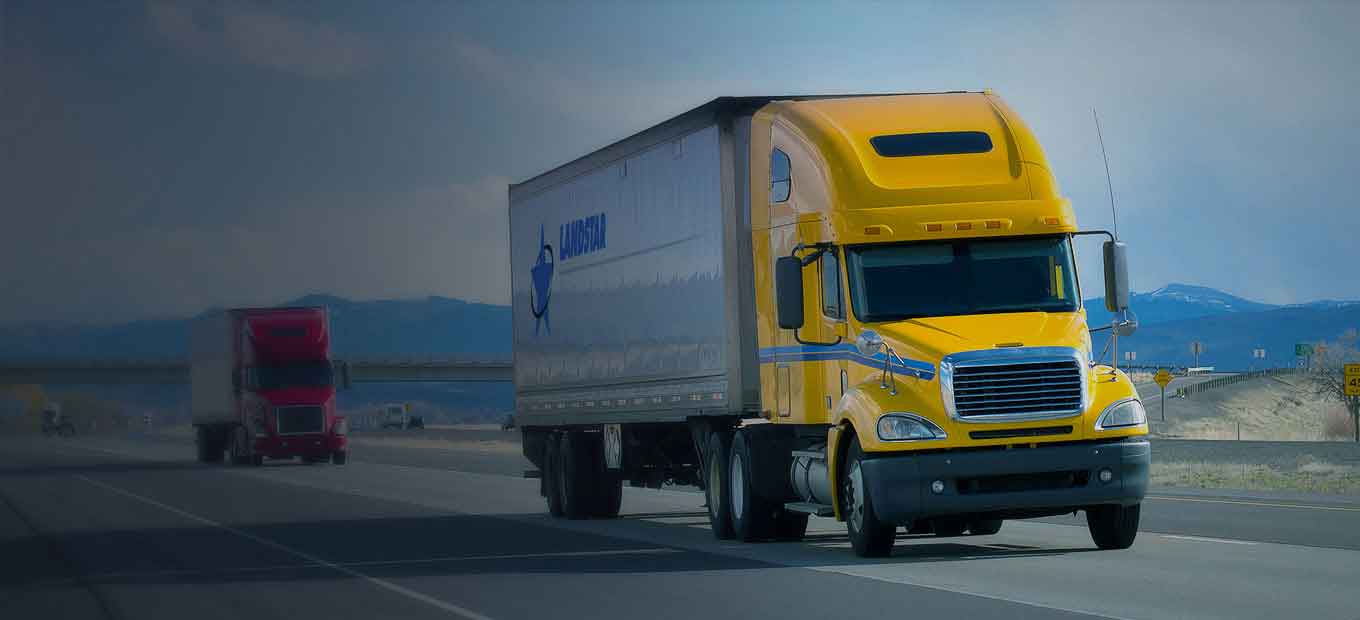
Dry Van may be worth reviewing if you want to operate enclosed trailer freight and evaluate loads through the Dry Van opportunity path.

Flatbed involves open-deck freight and equipment considerations that differ from enclosed van operations.
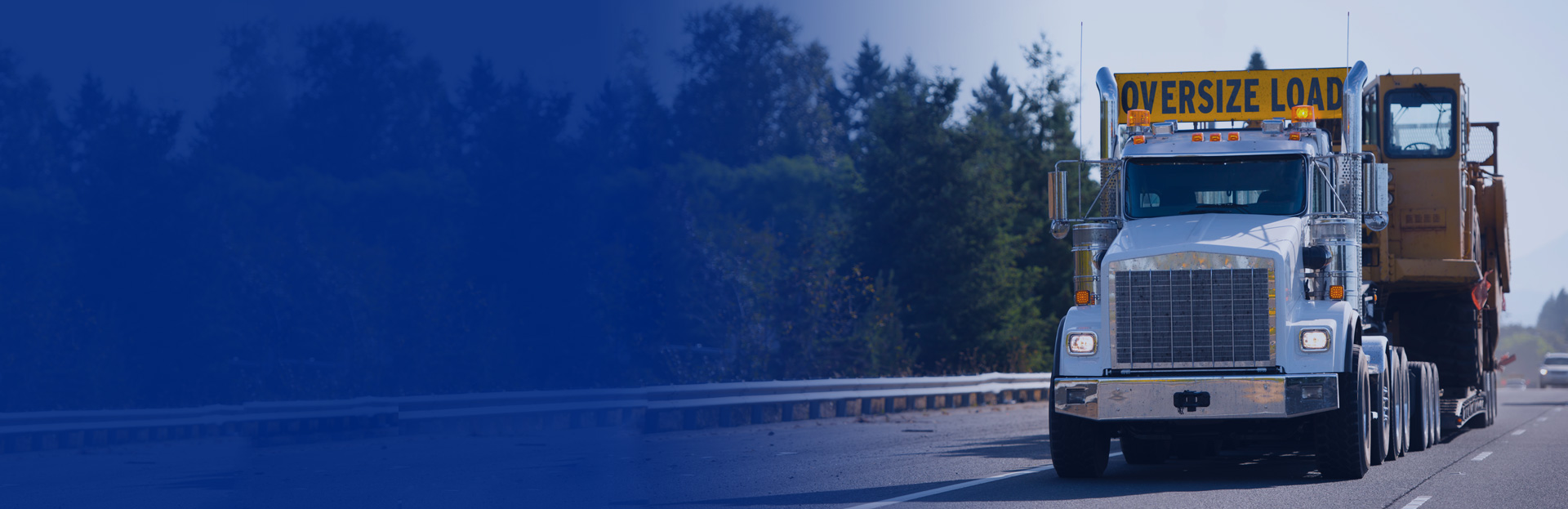
Heavy Haul and specialized freight can involve more complex equipment, load characteristics and qualification considerations.
Equipment is important, but it is not the only factor. Think about the type of freight you want to haul, where you want to operate and how the opportunity fits the way you run your business.
Enclosed freight, open-deck freight or specialized loads?
Your tractor and trailer arrangement affect which opportunities make sense to investigate.
Think about your preferred markets and where a load positions the truck afterward.
Consider how the opportunity fits the way you want to manage your schedule.
Some equipment paths can involve different experience, equipment or qualification considerations.
Use these five questions as a simple starting point before you move into detailed equipment pages.
What type of freight do you want to haul regularly?
What tractor, trailer and equipment arrangement will you operate?
Where do you prefer to run, and where will the load position the truck?
How does the operating path fit your business schedule and time at home?
What current qualification and equipment requirements apply to the path?
Most owner-operators who don’t run under their own authority lease on with a carrier. Before you sign, compare companies on more than the pay. Use this checklist with any carrier you’re considering.
| Question to ask | Where to find Landstar's answer |
|---|---|
| How am I paid: percentage of revenue or per mile? Is fuel surcharge passed through? | Owner-operator pay |
| Do I choose my loads, or is dispatch forced? | Load board and non-forced dispatch |
| Is there enough freight for my equipment and lanes? | Dry Van, Flatbed, or Heavy Haul pages |
| Do I need my own trailer, or are trailers available? | Dry Van lease options, Flatbed lease options, Heavy Haul lease options |
| What insurance do I have to carry, and what does it cost? | Owner-operator insurance |
| What gets deducted from my settlement? | Settlements and deductions |
| Are there discount or purchasing programs for fuel, tires and maintenance? | LCAPP purchasing program |
| What are the requirements to qualify? | Owner-operator requirements |
| Who do I call when I have a question? | Secrest Direct, your agent contact |
Freedom doesn’t eliminate the need to make careful decisions. It makes those decisions your responsibility as the business owner.
Before choosing a path, understand the supporting business considerations.
Review trailer and equipment considerations before deciding which operating path fits your business.
Compare the two business models side by side before you decide.
Quick answers about owner-operator jobs and how to compare opportunities. For more, visit the Owner-Operator FAQ Hub.
An owner-operator is a truck driver who owns or leases their truck and runs their own trucking business. Many lease on with a carrier and haul under its authority; while others run under their own authority. Either way, the owner-operator is responsible for business decisions and expenses. Learn more about how to become an owner-operator.
A company driver is an employee who drives the carrier’s truck and is usually paid by the mile. An owner-operator runs a business, provides the truck, pays operating costs and is usually paid a share of the load revenue. See Owner-Operator vs. Company Driver.
Start with the freight and equipment you are interested in operating. This hub separates opportunities into Dry Van, Flatbed and Heavy Haul so you can review each path independently.
Yes. This hub is designed to help you compare the major opportunity paths before moving into the detailed equipment pages.
No. When you lease on with Landstar, you operate under Landstar’s authority. Running under your own authority is a different business model with its own insurance, compliance, and freight-sourcing responsibilities. Read more about running with your own authority.
You need a qualifying tractor that you own or lease. Lease options may be available depending on the equipment path. See Dry Van and Flatbed lease options, or Heavy Haul and confirm terms before you commit.
Use the Owner-Operator Requirements page for current qualification and equipment requirements rather than relying on information repeated across multiple opportunity pages.
The Load Board hub explains load search, filters, load details, mobile access and freight-planning considerations.
Explore the dedicated Dry Van, Flatbed and Heavy Haul hubs before deciding what fits your business.
Review the formal application process and begin when you have the required information and documents ready.