
Secrest Direct Inc. is an independent Landstar agent (DUV/RKY).
| Questions? 877-441-9128 | Contact | Application Login |
Home » FAQs
Starting an owner-operator trucking business begins with choosing how you want to operate: lease your truck to an established motor carrier or run under your own operating authority. From there, build a business plan, understand your cost per mile and cash needs, secure a qualifying truck and insurance, set up the appropriate business and tax structure, and make sure you can meet federal and state safety requirements.
The biggest mistake is treating owner-operator trucking like a driving job instead of a business. You need a plan for freight, fuel, maintenance, taxes, insurance, downtime and working capital before the first load moves.
To get your own trucking authority, first establish your business and determine exactly what type of interstate operating authority you need. You then register with the Federal Motor Carrier Safety Administration (FMCSA), obtain the required USDOT and operating-authority registration, arrange your BOC-3 process-agent filing, and have your insurance provider submit the required proof of financial responsibility.
The federal application fee is currently $300 for each type of operating authority requested. Getting a docket or MC number does not mean your authority is active. FMCSA will not grant active operating authority until required insurance and other filings are in place.
A lease owner-operator usually refers to an independent owner-operator who leases their truck and transportation services to an authorized motor carrier and operates under that carrier’s authority. The owner-operator still runs a business and remains responsible for many operating expenses and business decisions, but the carrier provides the operating-authority framework and may also provide freight access, settlement services, compliance support or other resources.
That is different from a lease-purchase driver, where the driver is leasing or making payments on the truck itself. The two arrangements are often confused, but they are not the same.
Owner-operators may use truck dispatch services to spend less time searching for freight, communicating with brokers, negotiating rates, scheduling loads and handling routine paperwork. That can be especially useful for a small carrier running under its own authority.
But a third-party dispatcher is not automatically necessary for every owner-operator. Someone leased to a carrier may already have access to a load board, freight agents or other load-selection tools. In a non-forced dispatch model, the owner-operator can evaluate available freight and decide which loads fit their rate, route, equipment and business goals.
The FMCSA operating-authority application currently costs $300 for each authority type, but that is only the federal filing fee, not the full cost of starting a trucking company.
Your actual startup cost can also include business registration, commercial insurance, BOC-3 process-agent services, UCR registration, apportioned plates or IRP, IFTA, permits, compliance tools, an ELD when required, drug-and-alcohol program costs, equipment and working capital. These costs vary significantly by business, equipment, state, cargo and insurance history. A single advertised “cost to get authority” often leaves out much of what is required to actually operate.
Neither option is automatically better. Getting your own authority gives you more responsibility and direct control over the motor-carrier business, including insurance, compliance, freight relationships, billing and collections. Leasing onto an established carrier lets you operate your truck under that carrier’s authority and may provide an existing freight network, administrative support and other resources.
The better choice depends on your experience, available capital, risk tolerance and how much of the back office you want to manage yourself. Compare the entire business model, not simply the percentage of freight revenue you receive. Current competitor content often reduces this choice to “more money versus less control,” which leaves out much of the actual business risk and workload. Learn more through our owner operator resource guide.
Having your own trucking authority means your business operates as the authorized motor carrier instead of running under another carrier’s authority. That gives the business greater control over which customers, brokers and freight it works with, but it also makes the business responsible for motor-carrier compliance.
That can include maintaining required insurance, safety and driver records, vehicle compliance, federal and state registrations, freight agreements, billing, collections and other carrier responsibilities. Having an MC or docket number alone is not enough; your for-hire authority must be active before you conduct operations that require it.
Forced dispatch generally means a driver or owner-operator is expected or required to accept freight assigned through a dispatch system rather than being free to accept or decline each available load.
For an owner-operator, the practical difference is control. If dispatch is non-forced, the owner-operator can consider factors such as the rate, origin, destination, deadhead, schedule, equipment requirements and desired home time before deciding whether a load makes sense for the business. The exact obligations of any dispatch arrangement depend on the carrier agreement.
/owner-operator-requirements/A successful owner-operator needs to manage profitability, equipment and compliance at the same time. That means knowing your fixed and variable expenses, understanding your break-even cost per mile, choosing freight carefully, controlling deadhead, buying fuel strategically, maintaining the truck and keeping enough cash in reserve for repairs and slow periods.
Gross revenue alone does not tell you whether the business is successful. Experienced operators pay attention to what is left after fuel, maintenance, insurance, taxes, equipment payments and other operating costs. Consistent decision-making usually matters more than simply running the most miles.
You can generally begin the process of applying for operating authority before you own a truck, but that does not mean you can begin hauling freight without equipment. To receive and use active for-hire authority, the business must satisfy FMCSA requirements, including required proof of insurance. An insurer may also need information about the equipment and operation it is covering.
So there is an important distinction between applying for authority and being ready to operate under that authority. FMCSA will not grant active for-hire authority until the required financial-responsibility filing is on file.
Non-forced dispatch means an owner-operator has the ability to review available freight and decide what they want to haul rather than being required to accept every load offered.
That lets the operator consider the rate, lane, destination, deadhead, schedule, equipment requirements and personal business goals before making a decision. In the Landstar model described on NonForcedDispatch.com, owner-operators choose from available freight and can plan their routes around their businesses. Freight availability, revenue and other business results are not guaranteed.
A 34-hour reset, or 34-hour restart, allows a property-carrying commercial driver to restart the calculation of the federal 60-hour/7-day or 70-hour/8-day hours-of-service limit after taking at least 34 consecutive hours off duty.
The restart is optional. A driver may instead regain available hours as older on-duty hours fall outside the applicable 7- or 8-day period. After a valid 34-hour restart, the driver again has the full applicable 60 or 70 hours available.
For property-carrying drivers, the federal split sleeper berth rule allows the required 10-hour off-duty period to be divided into two qualifying periods. One period must include at least 7 consecutive hours in the sleeper berth, and the other must be at least 2 consecutive hours either off duty or in the sleeper berth. Together, the two periods must total at least 10 hours.
Common examples are 7/3 and 8/2 splits. When the two qualifying periods are paired correctly, neither period counts against the driver’s 14-hour driving window.
“CSA score” is common trucking terminology, but FMCSA does not issue or endorse one single official CSA score. CSA stands for Compliance, Safety, Accountability, FMCSA’s safety-compliance and enforcement program.
FMCSA’s Safety Measurement System evaluates motor carriers across seven Behavior Analysis and Safety Improvement Categories (BASICs) using information such as roadside inspections, violations and crashes. Carriers may receive percentile rankings relative to similar carriers, which FMCSA uses to help prioritize interventions. Third-party companies may create their own “scores,” but those are not FMCSA CSA scores.
Most owner-operators need an ELD if they are subject to federal hours-of-service rules and are required to maintain records of duty status (RODS). Being an owner-operator does not, by itself, create an ELD exemption.
Federal exceptions include qualifying short-haul drivers who use time records instead of RODS, drivers who need paper RODS no more than 8 days in any 30-day period, certain driveaway-towaway operations, and qualifying vehicles manufactured before model year 2000. Specific operations or exemptions can change how the rule applies.
The ELD mandate requires most motor carriers and commercial drivers who must keep records of duty status under federal hours-of-service regulations to use a compliant electronic logging device.
An ELD electronically records driving time and other duty-status information used to document hours-of-service compliance. The ELD rule did not create the federal driving-hour limits; it changed how covered drivers document them. Limited exemptions apply, including certain short-haul operations, drivers who use paper logs no more than 8 days in a 30-day period, driveaway-towaway operations and qualifying pre-2000 vehicles.
BCO stands for Business Capacity Owner. It is Landstar’s term for an independent truck owner-operator who is leased to a Landstar motor carrier and operates their own trucking business.
A BCO is not a company driver. BCOs make their own business decisions, including which available freight they want to haul, how they schedule their time, and when they want to be home. They operate as independent owner-operators while using the freight opportunities, tools, support, and other resources available through the Landstar network.
In simple terms, a Landstar BCO is an owner-operator who runs their own business while leased to Landstar.
Trucking fleet ownership means running a trucking business that owns or leases multiple commercial trucks rather than operating only one truck. A fleet owner may still drive one of the trucks, employ or contract with other qualified drivers, or focus primarily on managing the business.
As the fleet grows, the job expands beyond driving. Fleet ownership can involve driver qualification and management, maintenance planning, insurance, compliance, equipment financing, dispatch and freight planning, payroll or contractor administration, and cash-flow management. A fleet can operate under its own authority or lease qualifying equipment to another motor carrier, depending on the business model.
The safest way to become a fleet owner is to make the economics of one truck repeatable before adding more trucks. Start with a financial and business plan, decide whether the fleet will operate under its own authority or lease equipment to an established carrier, and determine how additional trucks, insurance, maintenance and drivers will be funded.
Then build systems for hiring and qualifying drivers, preventive maintenance, safety compliance, freight planning, bookkeeping and cash reserves before expanding equipment. Buying several trucks before proving that you can keep them safely staffed, maintained and profitably utilized can turn growth into a cash-flow problem very quickly. Competitor fleet-owner guidance also consistently emphasizes financial planning, qualified drivers, equipment and compliance as the foundation for expansion.
Understand how freight search, load selection, destination, deadhead and available planning tools connect to the business.
Check current driver, tractor, documentation and qualification requirements before starting the formal process.
Understand why trailer decisions can affect both compensation and expenses.
Review insurance information and the types of coverage that may affect operating expenses.
Learn about current purchasing programs that may help eligible owner-operators manage certain business costs.
Review the separate fuel-tax reporting topic rather than mixing it into income-tax deductions.
Start with the type of freight and equipment you want to operate, then use the dedicated hub for that path.
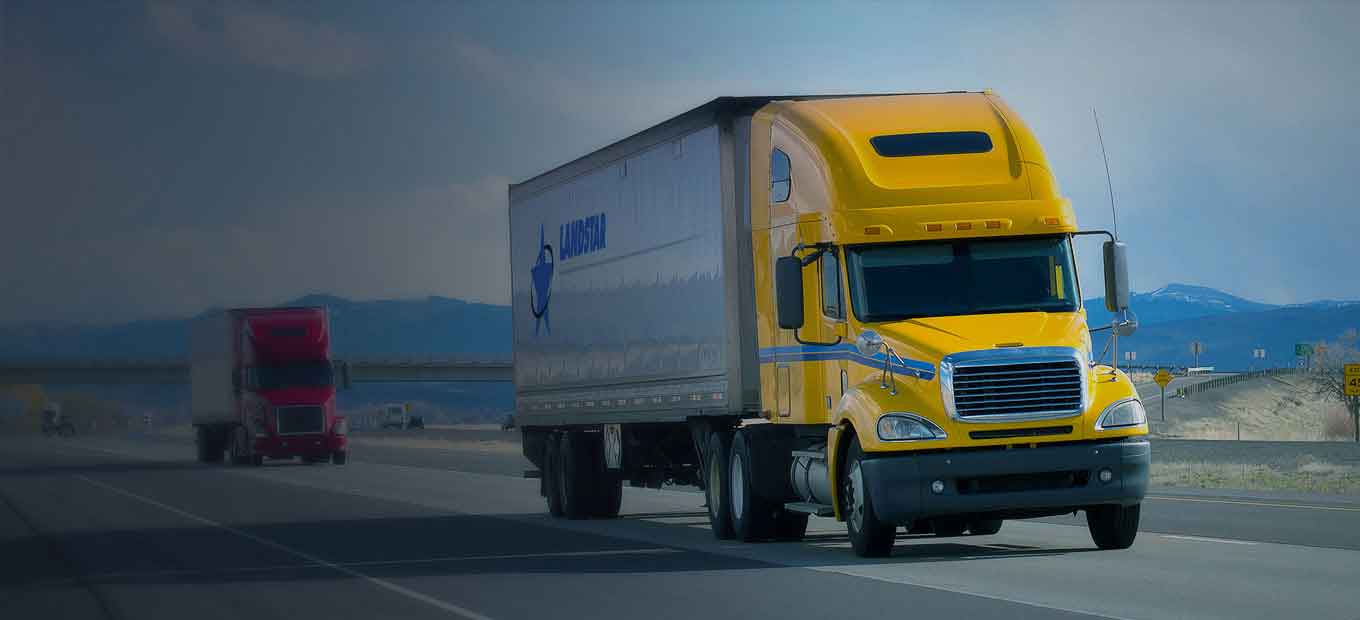
Dry Van may be worth reviewing if you want to operate enclosed trailer freight and evaluate loads through the Dry Van opportunity path.

Flatbed involves open-deck freight and equipment considerations that differ from enclosed van operations.
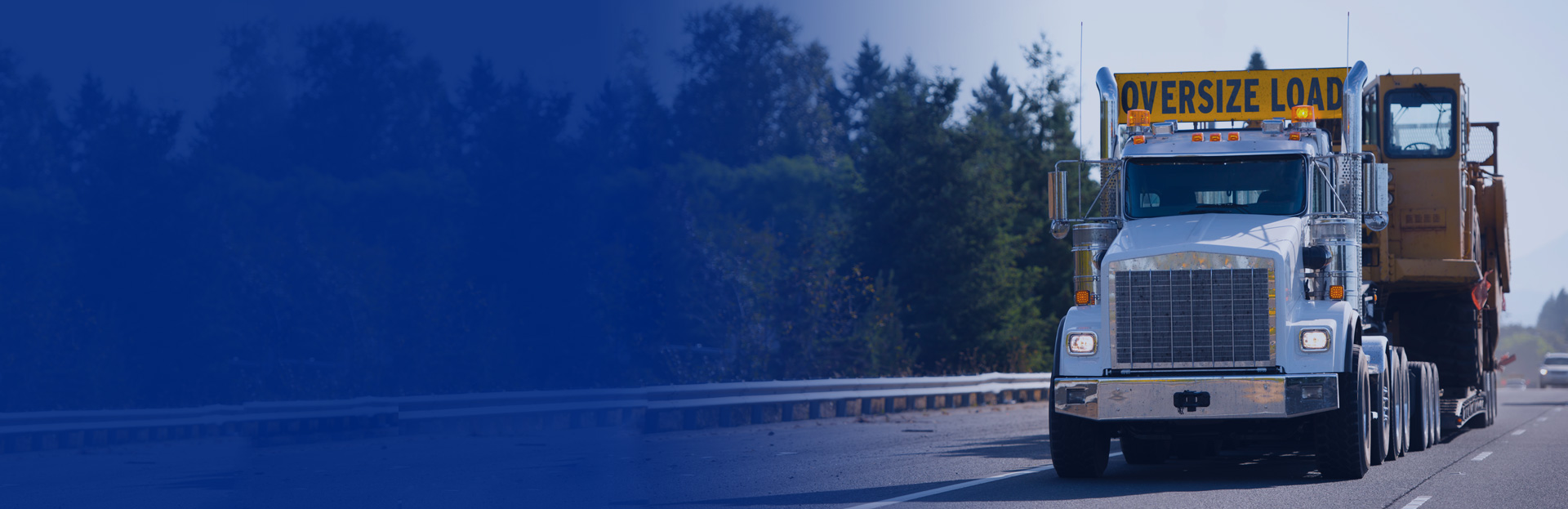
Heavy Haul and specialized freight can involve more complex equipment, load characteristics and qualification considerations.
Get clear information about current requirements, equipment paths, and the application process from Secrest Direct Inc.