

Tax Season Survival Guide for Owner-Operators: What You Need to Know
Tax season is the part of running a trucking business that most owner-operators either dread or underestimate. When you operate as an
Secrest Direct Inc. is an independent Landstar agent (DUV/RKY).
| Questions? 877-441-9128 | Contact | Application Login |
Home » Heavy Haul » Careers
Evaluate heavy haul and specialized freight, equipment paths, load planning, qualifications and application steps before deciding whether this operating path fits your business.
Secrest Direct Inc. is an independent Landstar agent (DUV/RKY). The agency helps owner-operators organize their questions, understand the available information and identify what should be confirmed before beginning an application.
Owner-operator business opportunity · Not a company-driver position · Questions? 877-441-9128
Understand the added planning, equipment and qualification considerations that come with heavy haul and specialized freight.
Review dimensions, weight, trailer configuration, route limitations, loading requirements and other load-specific details.
Compare your tractor, trailer access, specialized hauling experience and the freight you want to pursue.
Ask Secrest Direct which requirements and operating details should be confirmed before you continue.
This short form is an information request, not the full application and not a Landstar corporate form. Do not submit sensitive documents through this form. Review the Privacy Policy.
Jump directly to the information that matters most to your operation.
Heavy haul can fit experienced owner-operators who are comfortable with detailed load planning, specialized equipment and freight that may require more coordination than standard truckload operations.
The work can involve unusual dimensions, heavier loads, specialized trailer configurations, route restrictions and additional loading or delivery requirements. Each load must be evaluated on its own details.
Confirm dimensions, weight, pickup instructions, delivery requirements and other details before accepting the load.
Determine whether the tractor, trailer configuration and available securement equipment fit the freight.
Review mileage, fuel, parking, route limitations, weather and any permit or routing information that applies.
Inspect the equipment and confirm that the freight is secured and monitored according to applicable requirements.
Heavy haul is not simply a larger load. It is a specialized operating path that requires preparation, experience and careful business decisions.
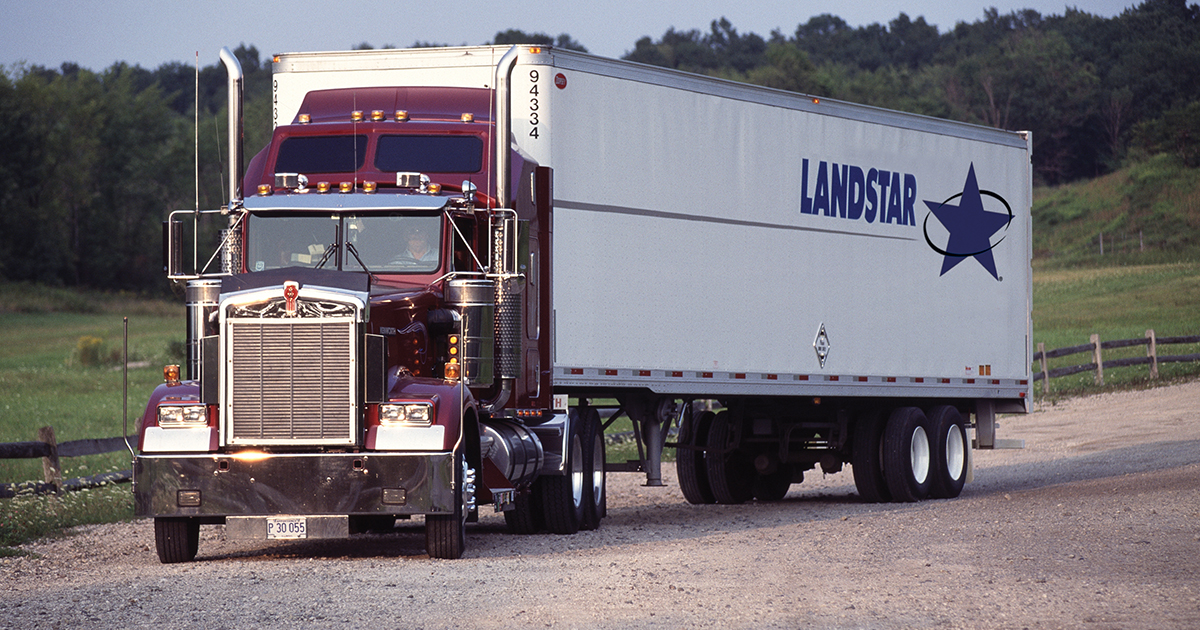

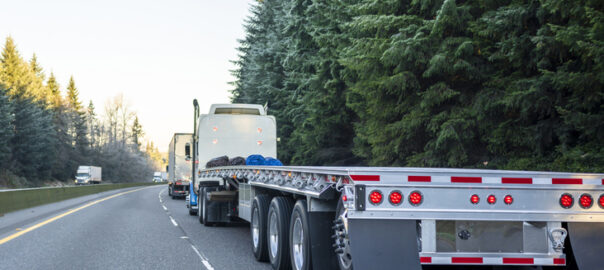
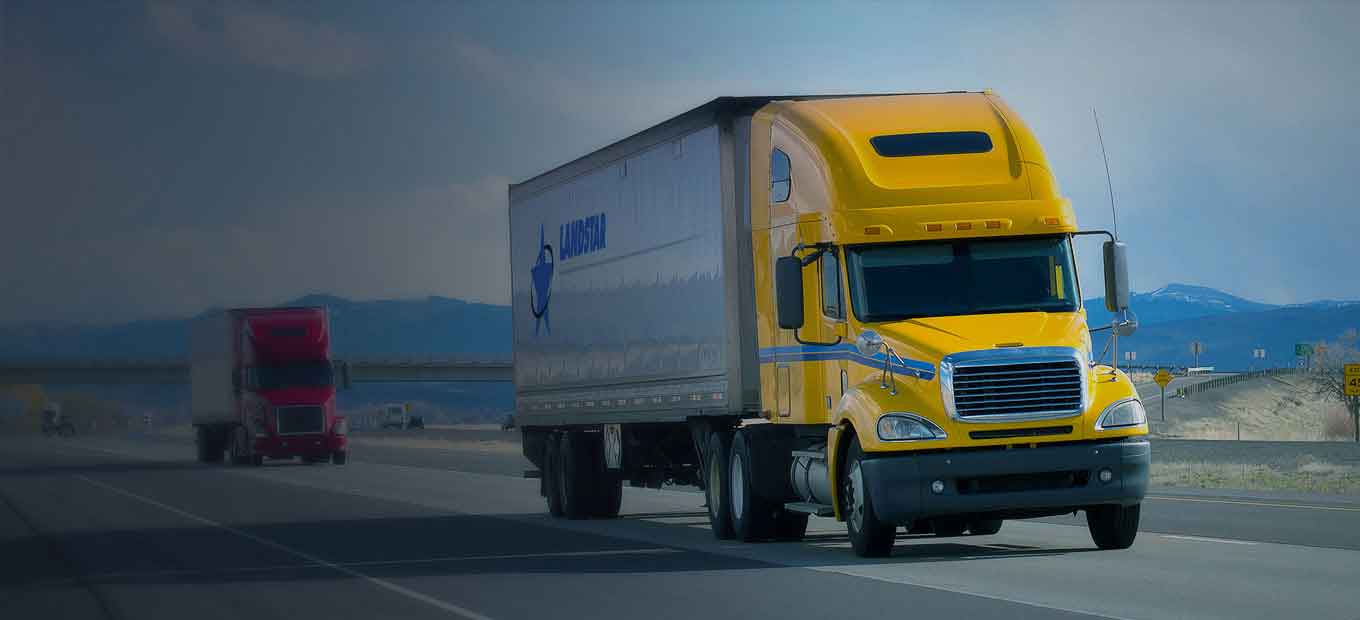
Fleet owners should review each tractor, driver, trailer configuration, insurance need and freight plan separately.
Owner-operators choose which available loads they want to consider. Load availability still depends on equipment, location, qualifications and freight requirements.
Some freight may involve route restrictions, permits, escorts or other coordination. The exact requirements depend on the load and route.
Evaluate revenue together with deadhead, fuel, equipment costs, permits when applicable, loading time and follow-up freight possibilities.
Tractor configuration, trailer type, axle setup and securement equipment affect which loads an operator may be able to consider.
Specialized freight may require additional experience or qualifications. Confirm current requirements rather than relying on an old published threshold.
Loading, securement, routing and delivery requirements can add time that should be included in the business decision.
A posted rate does not tell the whole story of a heavy haul or specialized load. The stronger decision comes from comparing the entire trip, the equipment required and the work involved.
Consider the freight dimensions and weight, trailer configuration, loaded miles, deadhead, loading process, securement, destination, route requirements, delivery schedule and the likelihood of suitable freight after delivery.
Strong route planning means evaluating how multiple loads, locations and operating costs work together—not only one listed number.
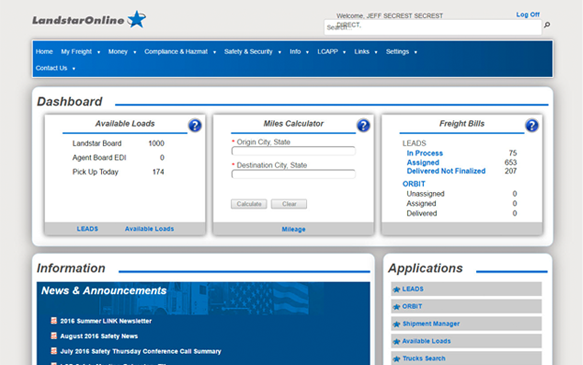
Example LandstarOnline dashboard shown for general context. Current tools, available freight data and account access may vary.
Confirm tractor, trailer, technology and documentation requirements before proceeding.
Heavy haul opportunities depend on more than owning a tractor. Trailer configuration, axle setup, securement equipment, experience and the freight you want to pursue all affect the path that must be reviewed.
Secrest Direct can help identify the questions that should be answered before you begin an application. Final tractor, trailer and operating requirements must be confirmed through the current qualification process.
Owned equipment, leased equipment, current access or equipment options still needed
The types of specialized freight, routes and operating areas you are considering
Independent Landstar Agent ·
DUV/RKY
10922 State Route 212 NE
Bolivar, Ohio 44612
Secrest Direct Inc. is an independent Landstar agent, not Landstar corporate. The agency can help you organize your questions, review your current operation and understand which details should be confirmed before you apply.
That may include your tractor, specialized hauling experience, trailer access, freight goals and questions about the qualification process.
Start with the information you need. Move into the formal application only when you are ready.
Identify which tractor, trailer, qualification and operating details still need to be confirmed.
Use these pages to answer the practical questions that matter before you begin the full application.
Review how owner-operator compensation is structured and which operating costs should be considered before estimating net income.
Learn how dimensions, weight, trailer requirements, deadhead and destination affect specialized-load decisions.
Review tractor, trailer and specialized-equipment considerations before making a purchase or application decision.
Review the current driver, safety, experience, tractor and insurance information before applying.
Requirements, availability, compensation, and program information can change. Confirm current flatbed details during qualification.
Heavy haul trucking jobs are specialized trucking opportunities involving freight that may be unusually heavy, oversized, difficult to handle, or require specialized trailers and additional planning. On this site, these are owner-operator business opportunities rather than company-driver positions.
Heavy haul owner-operators may work with machinery, construction or industrial equipment, structural components, and other specialized freight. The exact opportunities depend on the operator’s experience, equipment, qualifications, location, and available freight.
Owner-operators who lease their equipment to Landstar operate as independent contractors and run their own businesses. Qualified operators can review available freight and decide which loads fit their operation through a non-forced dispatch model.
Explore Heavy Haul Available Loads or review the current Owner-Operator Requirements
Start by reviewing your current tractor, trailer access, flatbed or specialized hauling experience, safety history and business goals. Then confirm which current qualifications and equipment requirements apply to your situation.
Heavy haul trucking is the transportation of freight that requires additional equipment, planning, or operating considerations because of its weight, dimensions, shape, or handling requirements.
Heavy haul and specialized freight can include large machinery, construction equipment, industrial components, and other loads that may require equipment such as step decks, lowboys, removable goosenecks, multi-axle configurations, or other specialized trailers.
Some heavy haul freight may also be oversized or overweight and require permits, route planning, escorts, or additional restrictions. Not every specialized load requires the same equipment or operating process.
Learn more about Heavy Haul Owner-Operator Opportunities or explore Heavy Haul Available Loads
Specialized experience requirements can depend on the equipment and freight path. Do not rely on an old published threshold. Ask Secrest Direct which experience details need to be confirmed.
Operators may begin from different equipment positions. Current equipment options, availability, costs and qualification requirements should be reviewed before making a decision.
The non-forced dispatch model allows owner-operators to choose which available loads they want to consider. Availability and eligibility still depend on equipment, location, freight requirements and qualifications.
An oversize load is generally a vehicle or shipment that exceeds one or more legal size limits for the roads and jurisdictions where it will travel. A wide load specifically exceeds the applicable legal width limit.
A shipment can also be oversized because of its height or length, while overweight freight involves applicable weight limits. The exact thresholds, permits, routing restrictions, travel times, signage, or escort requirements can vary based on the load and jurisdictions involved.
That is why heavy haul operators need to evaluate the actual dimensions, weight, equipment, and route for each shipment rather than assuming every specialized load follows the same rules.
Explore Heavy Haul Available Loads for more information about evaluating specialized freight.
Line haul and heavy haul describe different aspects of trucking. Line haul generally refers to moving freight between major points or markets, often over longer distances. Heavy haul refers to specialized freight that requires additional equipment or planning because of its weight, dimensions, shape, or other characteristics.
A conventional line-haul shipment may move within normal equipment and dimensional limits. A heavy haul shipment may require specialized trailers, additional axles, permits, route planning, escorts, or other load-specific preparation.
A heavy haul shipment can also travel a long distance, so the terms aren’t opposites: line haul describes how freight moves between points, while heavy haul describes the specialized nature of the freight and operation.
Compare the different Owner-Operator Driving Opportunities or continue exploring Heavy Haul Trucking Opportunities.
Decide Whether Heavy Haul Fits
Compare your experience, safety history and equipment with current requirements.
See how dimensions, weight, equipment and destinations affect load decisions.
Review compensation together with the costs of running your business.
Consider your tractor, trailer access and specialized-equipment path.
Begin only after reviewing the requirements and available information.
Tax season is the part of running a trucking business that most owner-operators either dread or underestimate. When you operate as an
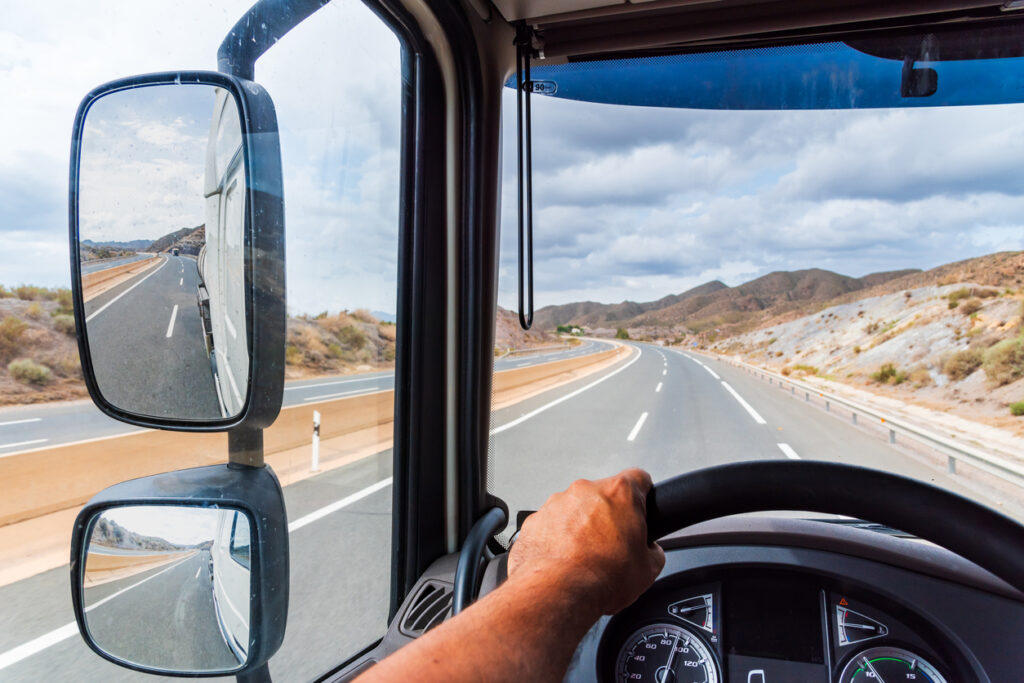
There’s no shortage of advice on increasing rate per mile or negotiating better freight. But long-term success as an owner-operator isn’t just
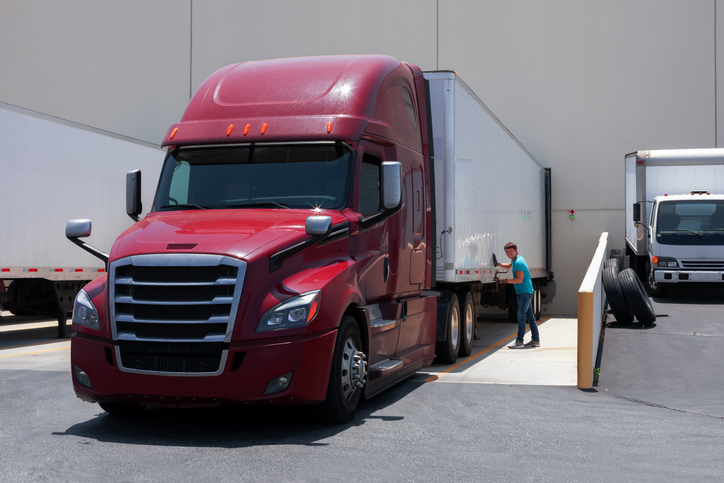
One of the biggest advantages of running under a non-forced dispatch company is simple: you choose your loads. But freedom without strategy
You do not need to start the full application just to ask a question.
Review the opportunity, specialized freight and equipment information before deciding whether this path fits your operation.
Review the formal application process and begin when you have the required information and documents ready.
Get clear information about current requirements, equipment paths, and the application process from Secrest Direct Inc.